
Currently in Pre-Production
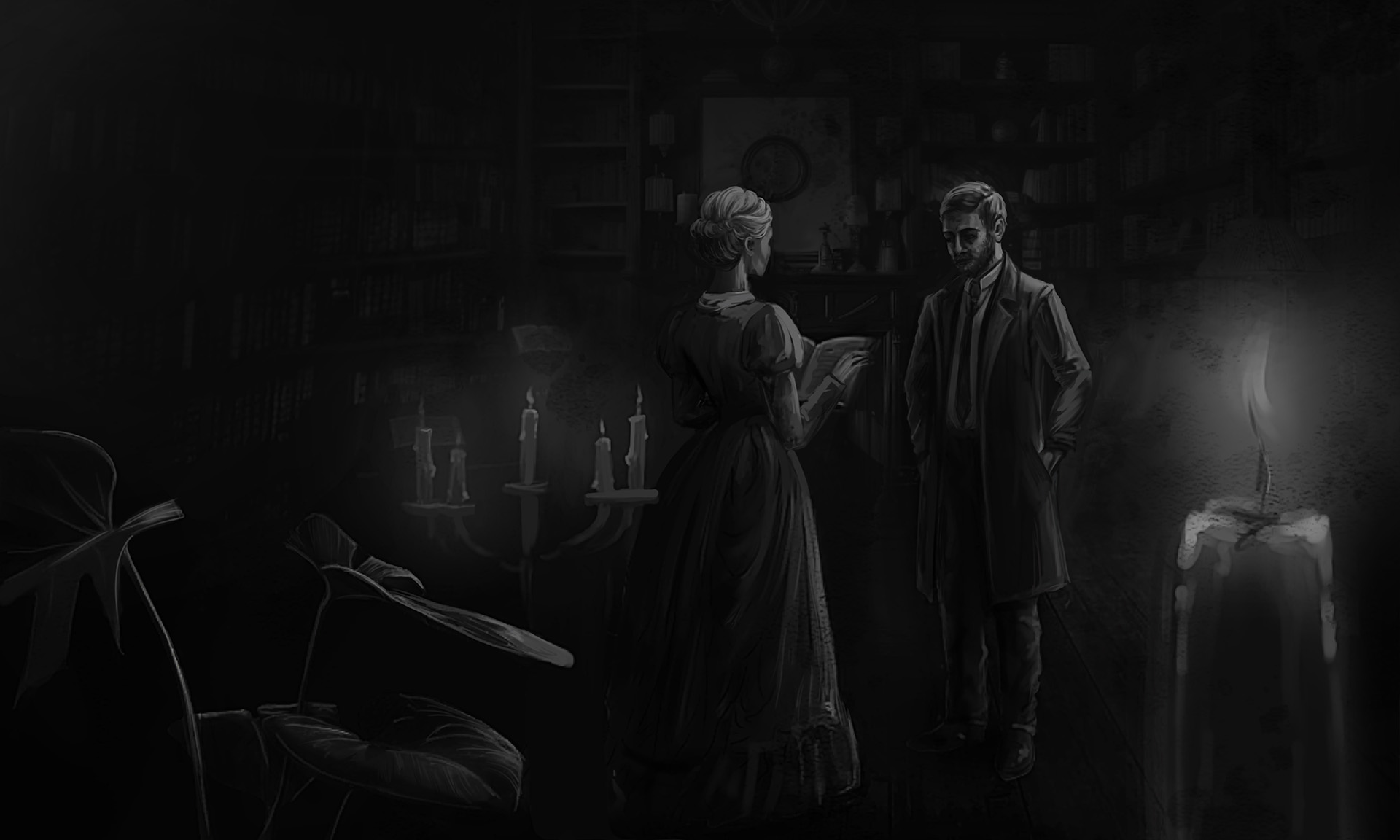
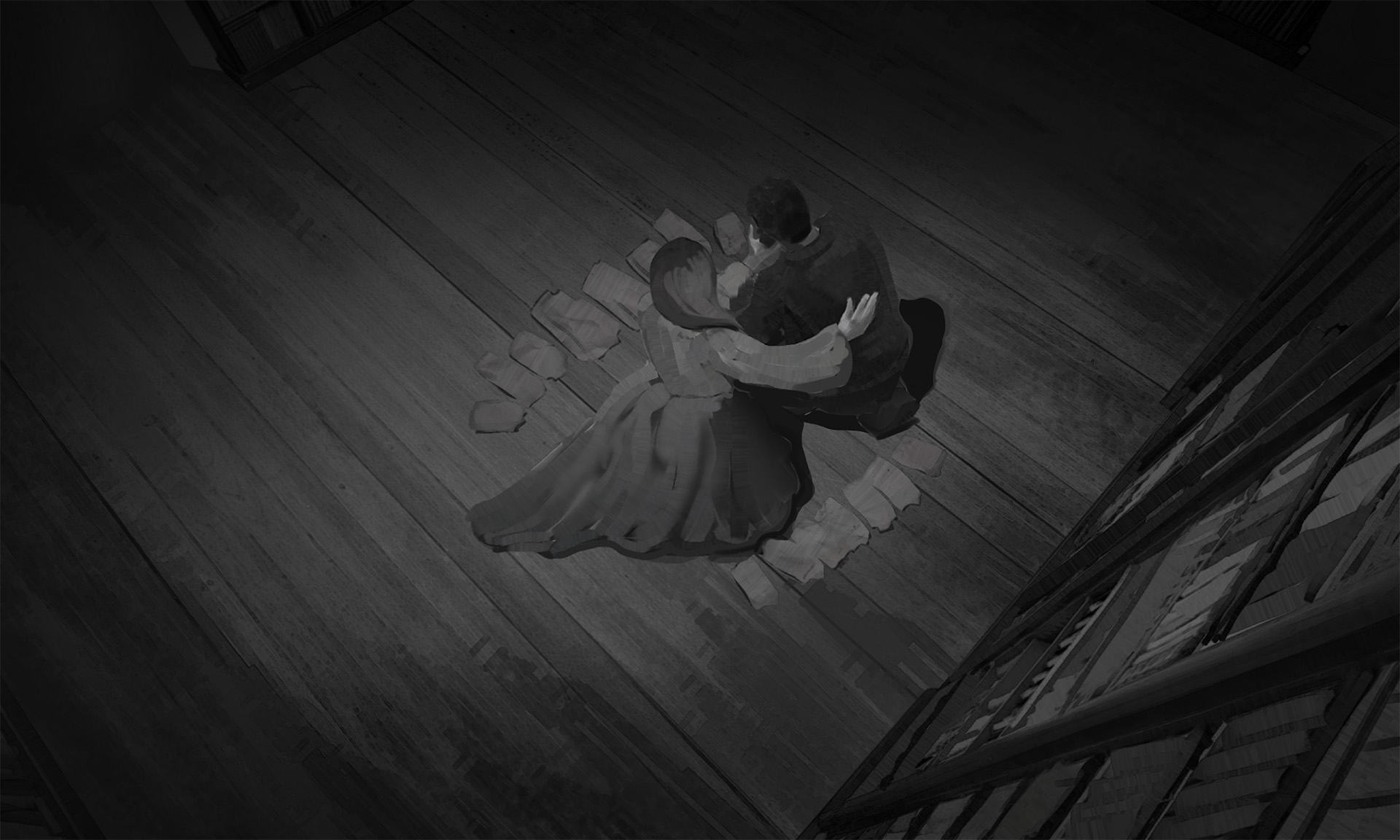
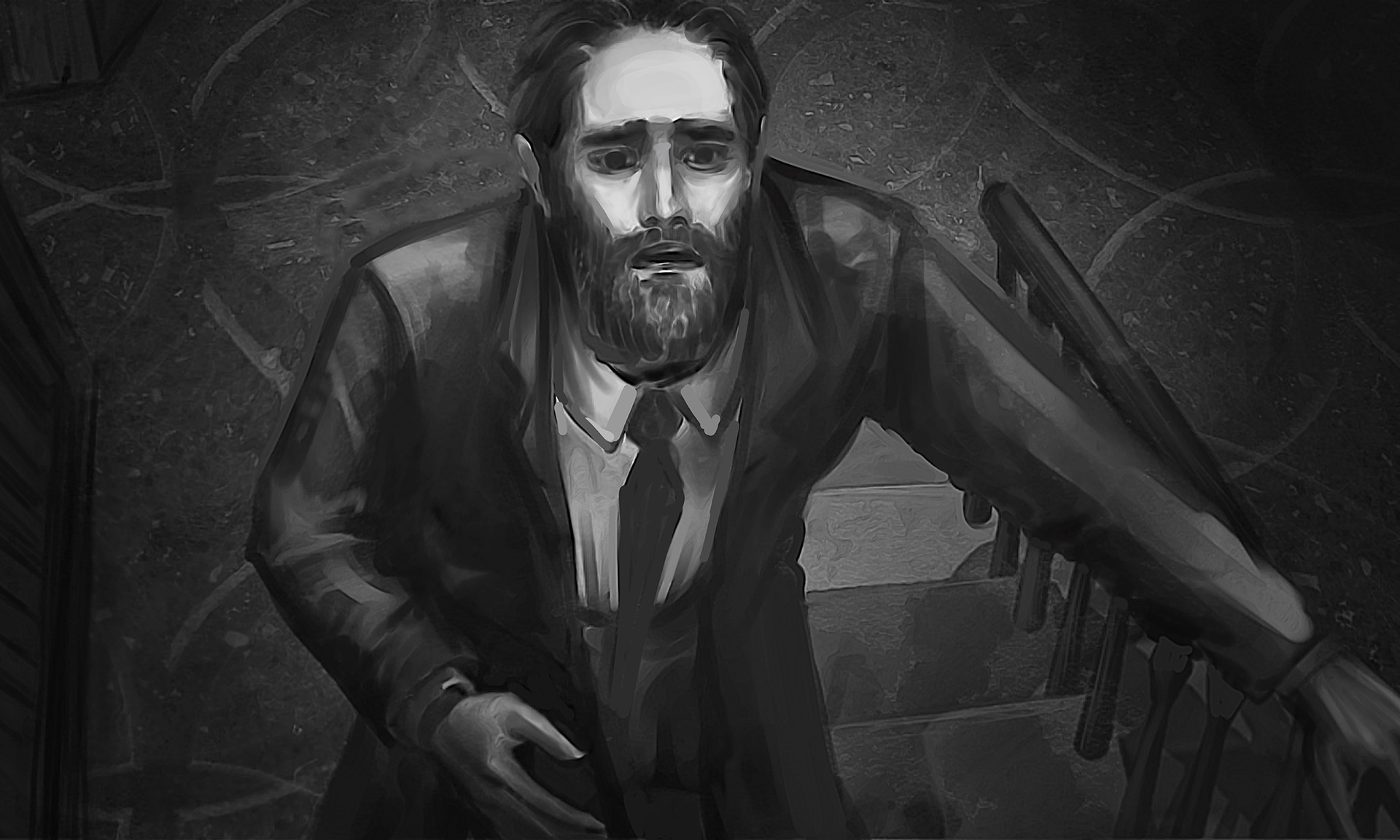
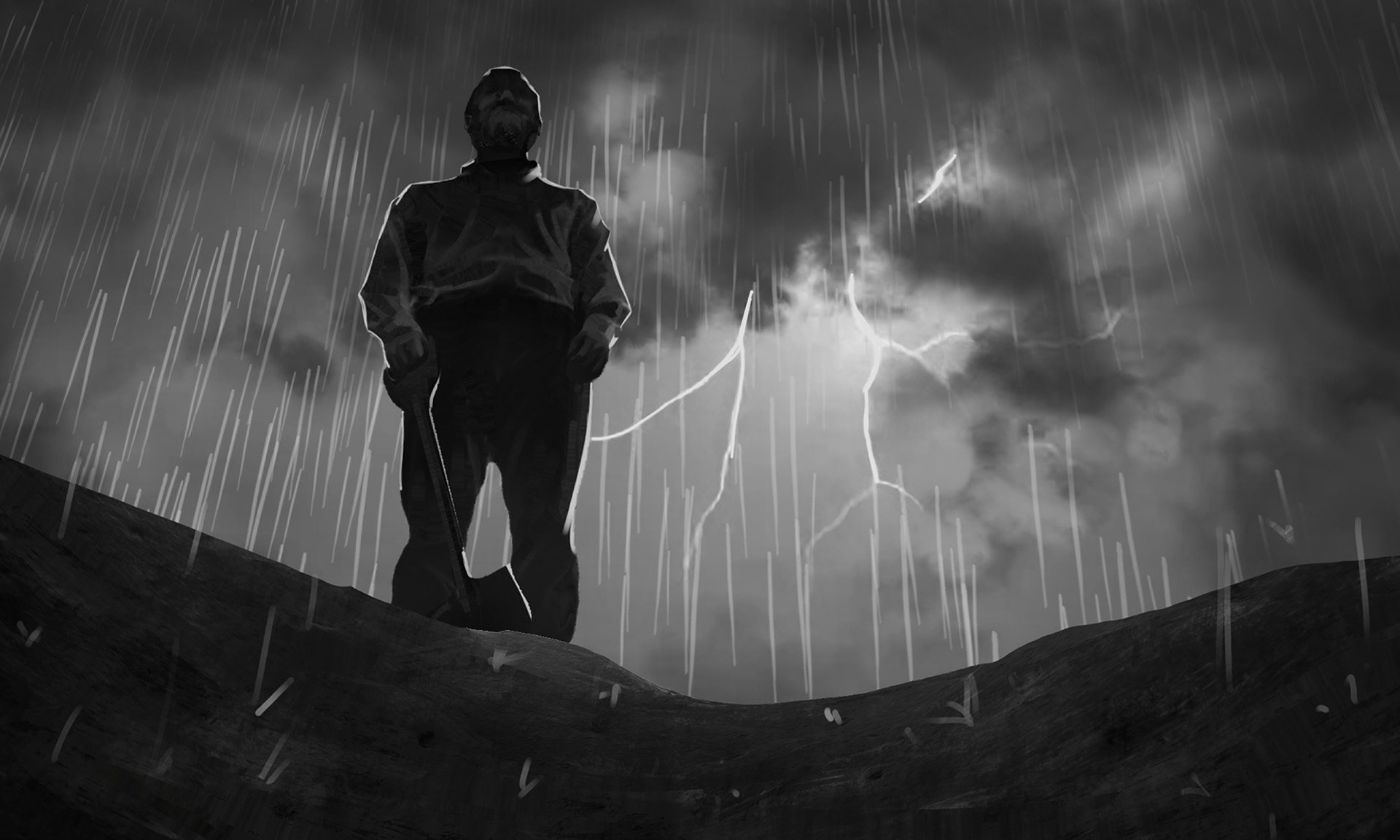
A gothic horror adaptation of Edgar Allan Poe’s short story, Berenice and Egaeus are a loving couple torn apart, kindled by her descent into illness, his into madness, her march toward death, and his spiraling obsession with her teeth.
DONATIONS
We are a 501(c)(3), and tax deductible donations can be made here:
https://fundraising.fracturedatlas.org/berenice
Making films under normal circumstances is an expensive endeavor, but this project even moreso. Early in brainstorming, we discussed the possibility of adapting Poe’s story in a modern setting. Afterall, it often makes costuming easier (and cheaper!) for a short film, as the cast sometimes provides their own. But we quickly realized there are key elements to the narrative that would be problematic in today’s world, so we knew we had to embrace the period setting. The film being set in the mid-19th century increases costs exponentially, as we need to find period-appropriate locations, production design and props, and wardrobe rentals. Our goal is $50,000, which would cover the additional period costs mentioned, but also the normal production and post-production costs including equipment rentals, cast and crew fees, meals, insurance, etc. All donations will go directly toward the making of the film, and all donors will be included in the film’s credits and on IMDb.
CONCEPT ART
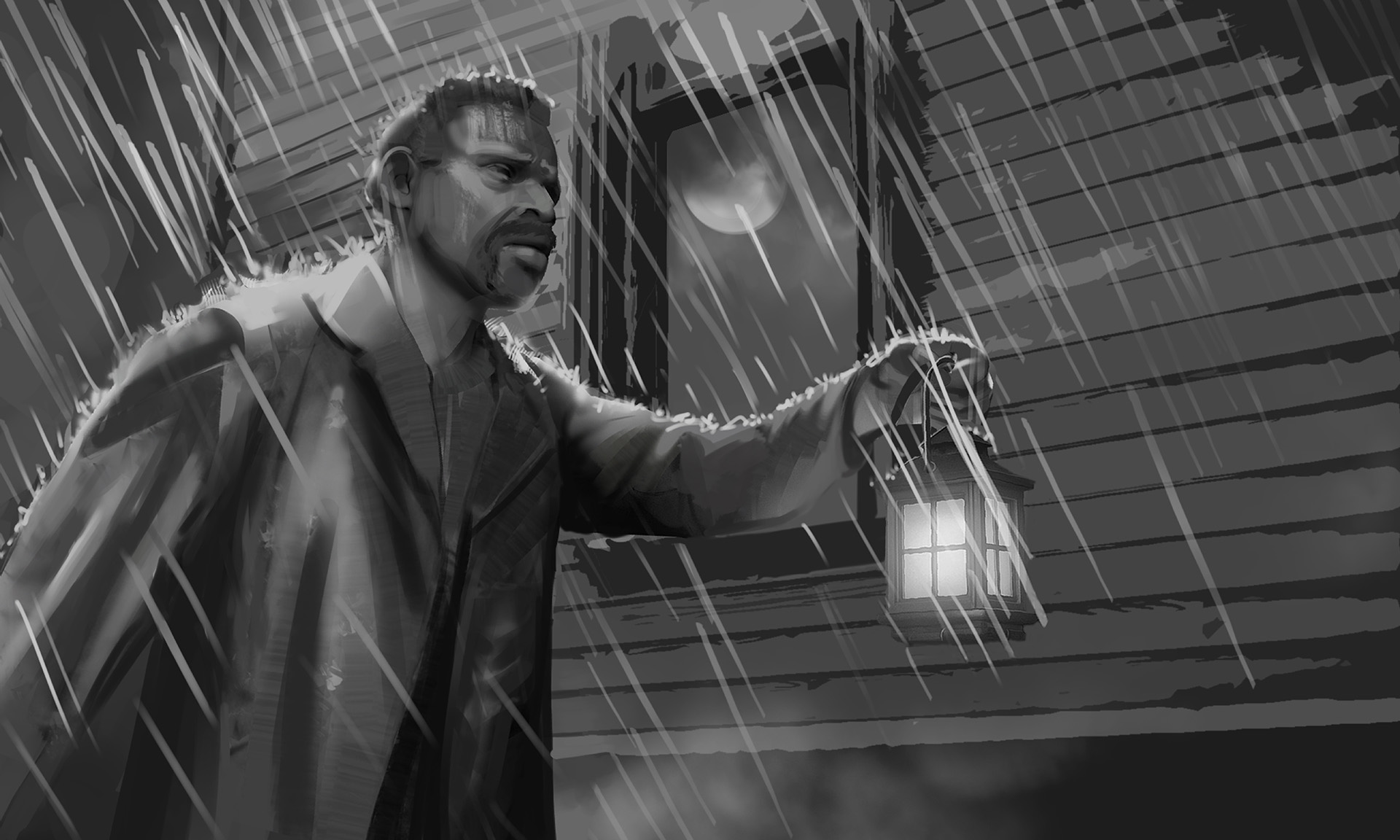
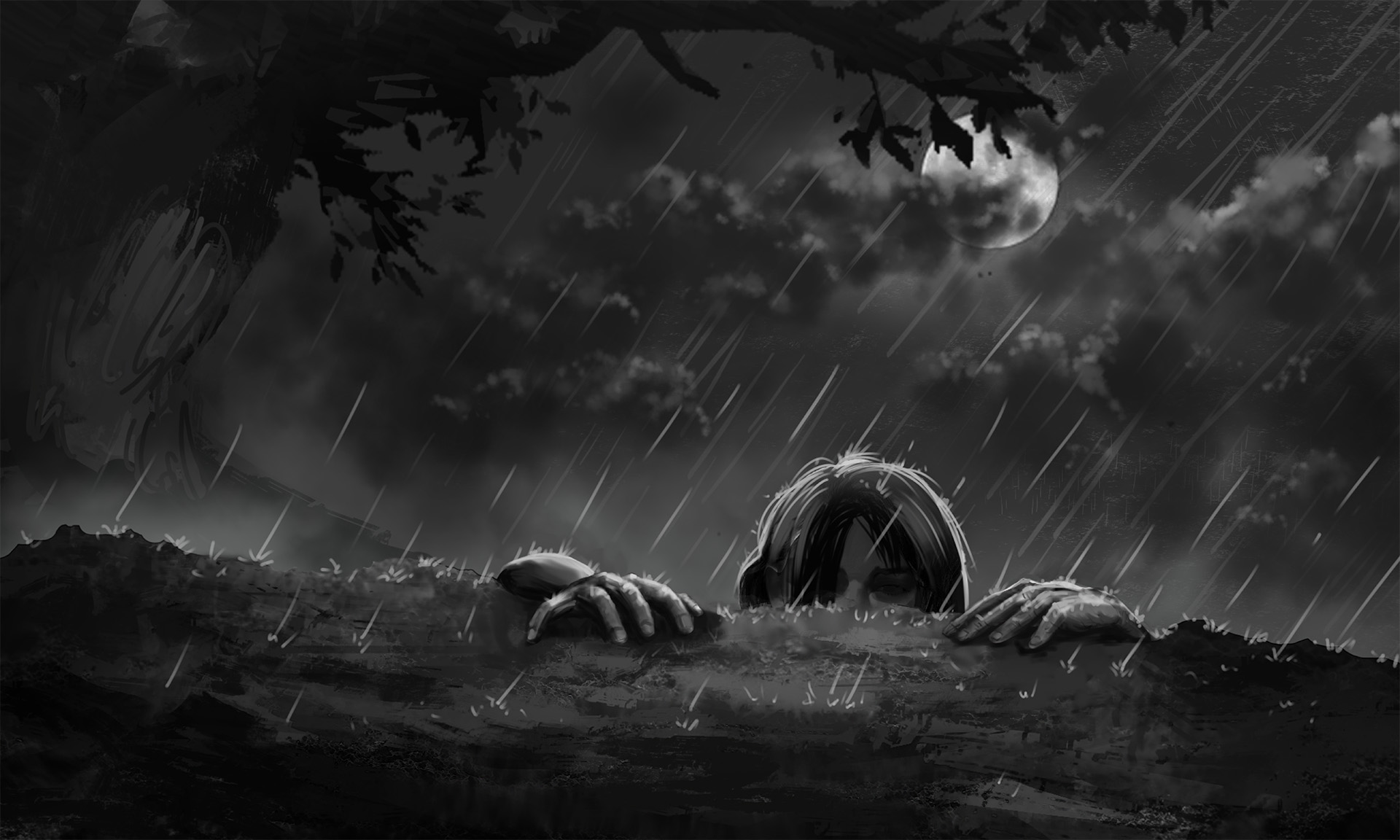
DIRECTOR’S STATEMENT
I read Edgar Allan Poe’s original short story, ‘Berenice’, several years ago. The ending was haunting, and it stayed with me for a very long time. In fact, over the years, something would occasionally spark a memory of it, followed by another chill down my spine. It wasn’t just the gruesome nature of the ending, but the story building to that shocking yet inevitable moment.
The main character, Egaeus, suffers from monomania, a type of mental illness that manifests as a hyperfocus on a single thing or idea. Egaeus’ focus is on a smile. But not just any smile… that of his wife, Berenice. More specifically, her teeth. Even as loved ones grow concerned for his well-being, as the head of the household in the 19th century, no one interjects. The unchecked illness swells and blossoms into the horrifying climax.
In December 2021, my best friend and creative partner, Brian, suffered a hemorrhagic stroke in his brain stem and died five days later at the age of 36. I was grief-stricken. Partially due to the loss of my friend, of course, but also because I assaulted my own thoughts with questions and regrets if I could’ve done something to prevent this. We were also roommates, and in hindsight there were little clues here and there that his health was declining. Nothing overt, and he always tried to hide it, but thinking back, they were there. I didn’t pry. After all, he’s an adult; he could certainly make his own choices. So there, sitting at his bedside in the hospital, while he was on life support, the story of ‘Berenice’ came flooding back, along with an overwhelming question… is there a line too far to cross when concerned with a loved one’s well-being? That question lingered for weeks following Brian’s death, planting the seed of a theme I wanted to explore in a film. And what better way than with Poe’s story?
My grief was so profound that it took me a long while before I could do any sort of creative work again, much less write an adaptation that reminded me so much of Brian. I eventually started working with Julie Rhine, and it felt like the right time to finally explore those ideas. I pitched it to her, and she was in, drawn by the exploration of mental health.
‘Berenice’ takes an up close and personal look at mental health as it affects individuals and those closest to them, along with the dangers of leaving mental illness unchecked. All wrapped in the guise of a gothic horror.
Mental health is so often overlooked in favor of treating physical illnesses. In ‘Berenice’, the story is no different. As Egaeus begins experiencing symptoms of his own mental illness, his attention is quickly consumed by the needs of Berenice and her epileptic seizures. In an effort to save her, he ignores his own symptoms and risks losing not only her, but himself as well.
The idea that physical well-being takes priority over mental illness is not a new one. The unfortunate truth is that unchecked mental illness can often lead to physical danger for individuals and those around them.
A gothic horror might seem like a strange place to explore mental illness, but that’s the beauty of ‘Berenice’. Poe often dove into the human psyche and explored themes of mental illness that we now recognize as more common in modern medicine. Continuing to push that recognition, to further our understanding of mental health and our treatment of mental illness, is an important goal. Continuing to bring the mental health conversation into all parts of media and entertainment will only serve to further normalize the subject. Mental health is for everyone. Mental illness does not discriminate.
CREW

Anthony Bushman
Director / Co-Writer / Producer

Julie Rhine
Co-Writer / Producer
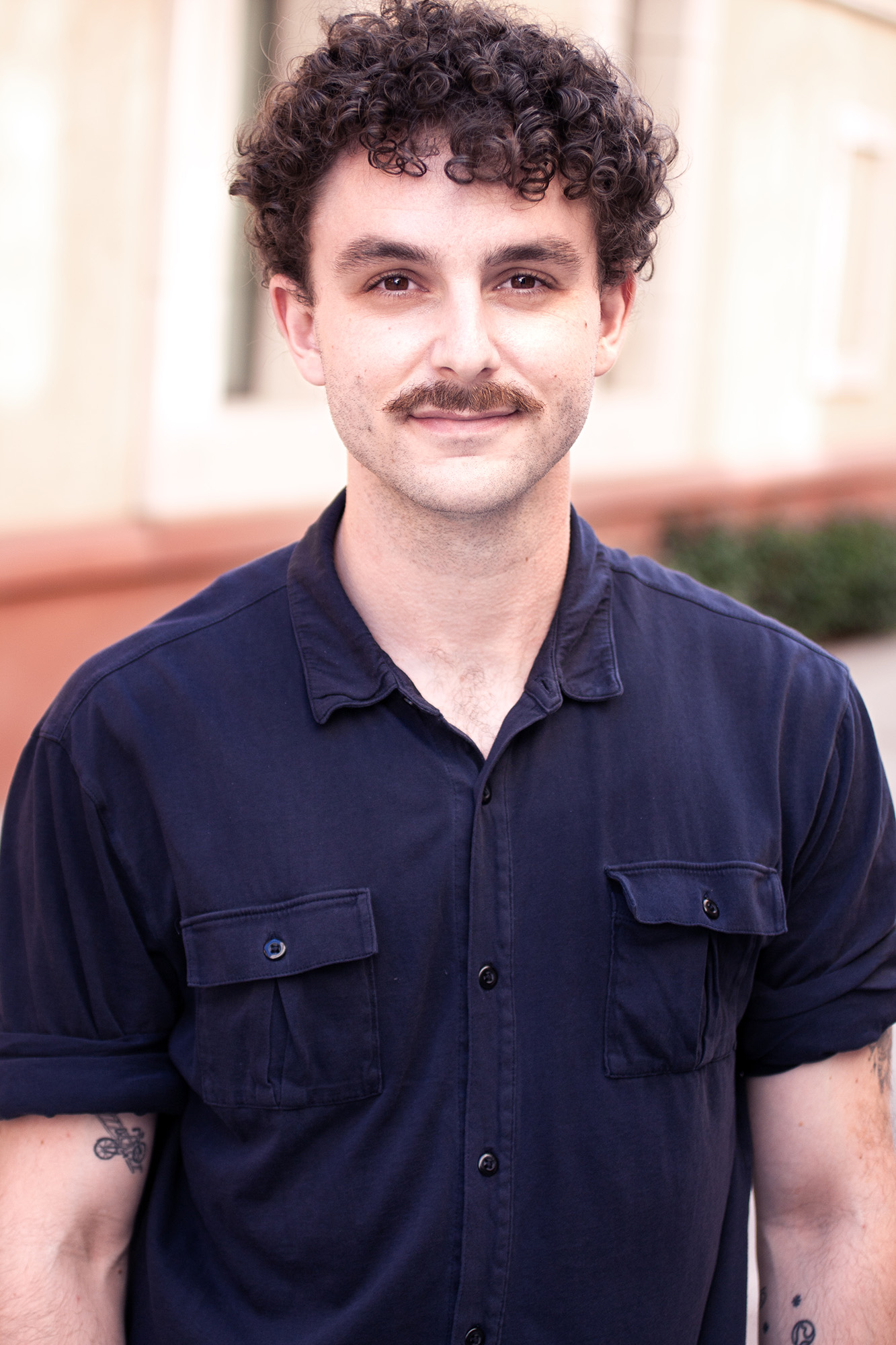
Miles Meckling
Editor

Scott Johnson
Composer